Surveying for Landfills
For 40+ years, Landair Surveys has worked with landfill operators across Victoria and New South Wales to enhance site management, compliance and planning with precise and insightful data that’s easy to interpret and action.
How we capture your landfill site data
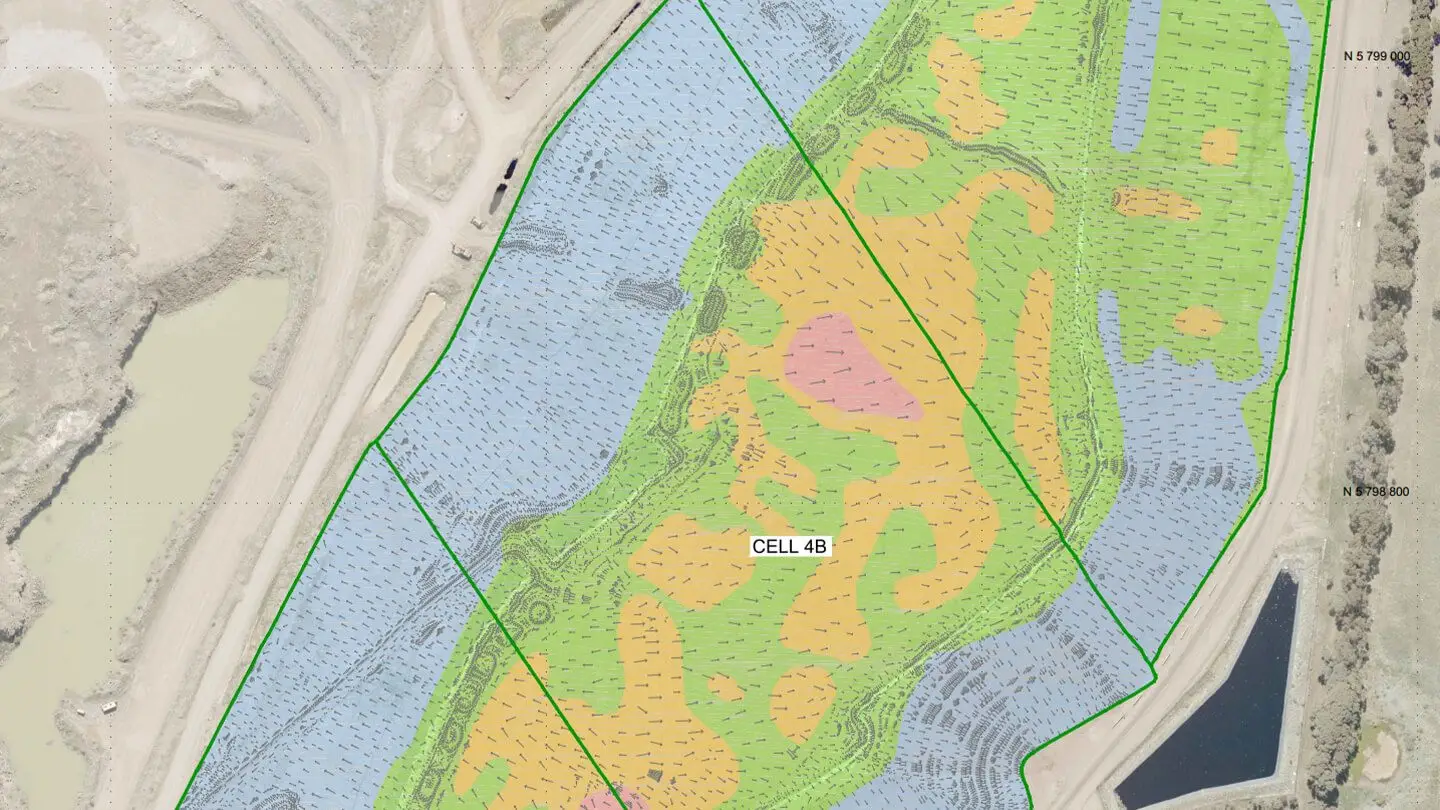
Volumetric surveys
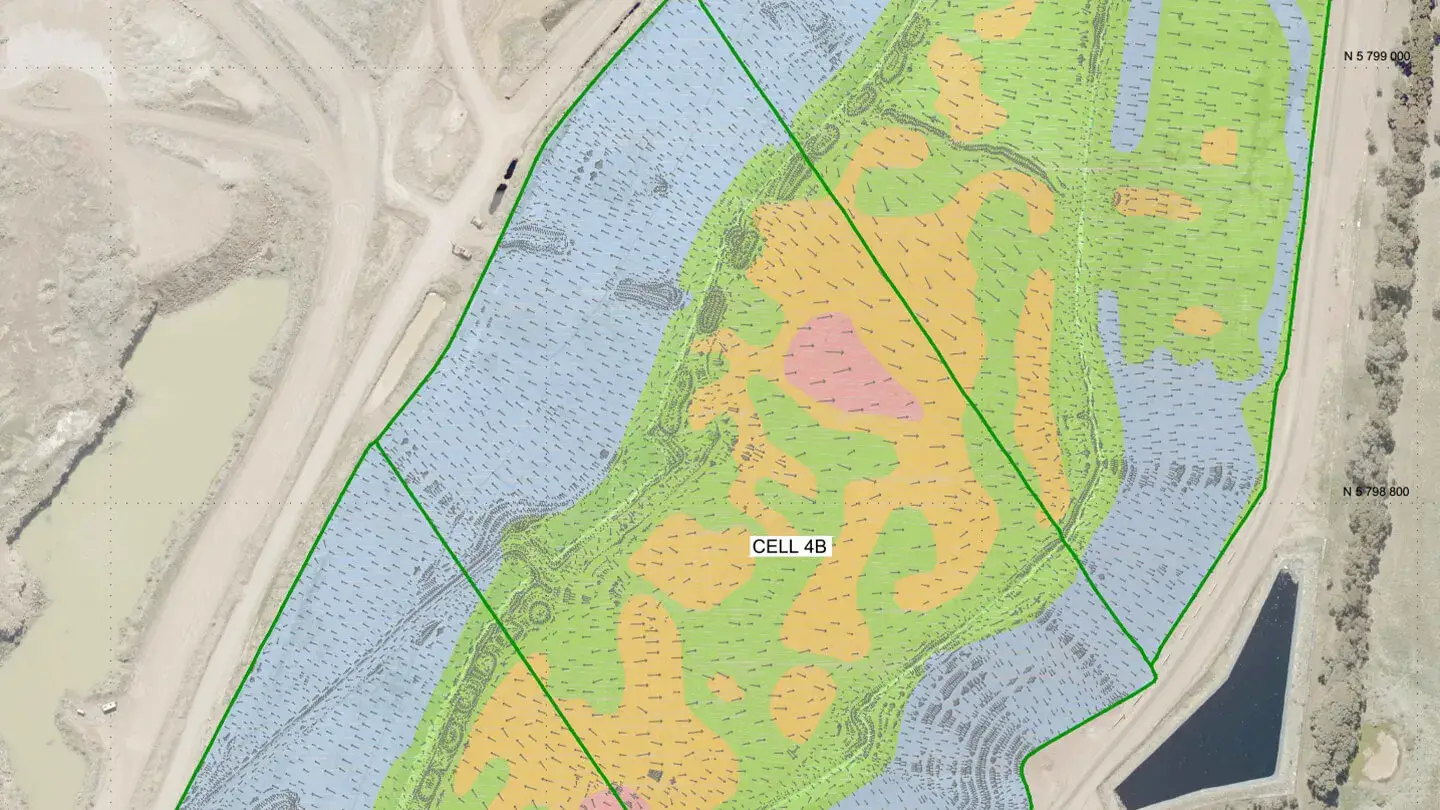
Measure changes in airspace volume, monitor stockpile levels, and provide whole-site volume analysis.
Mapping surveys
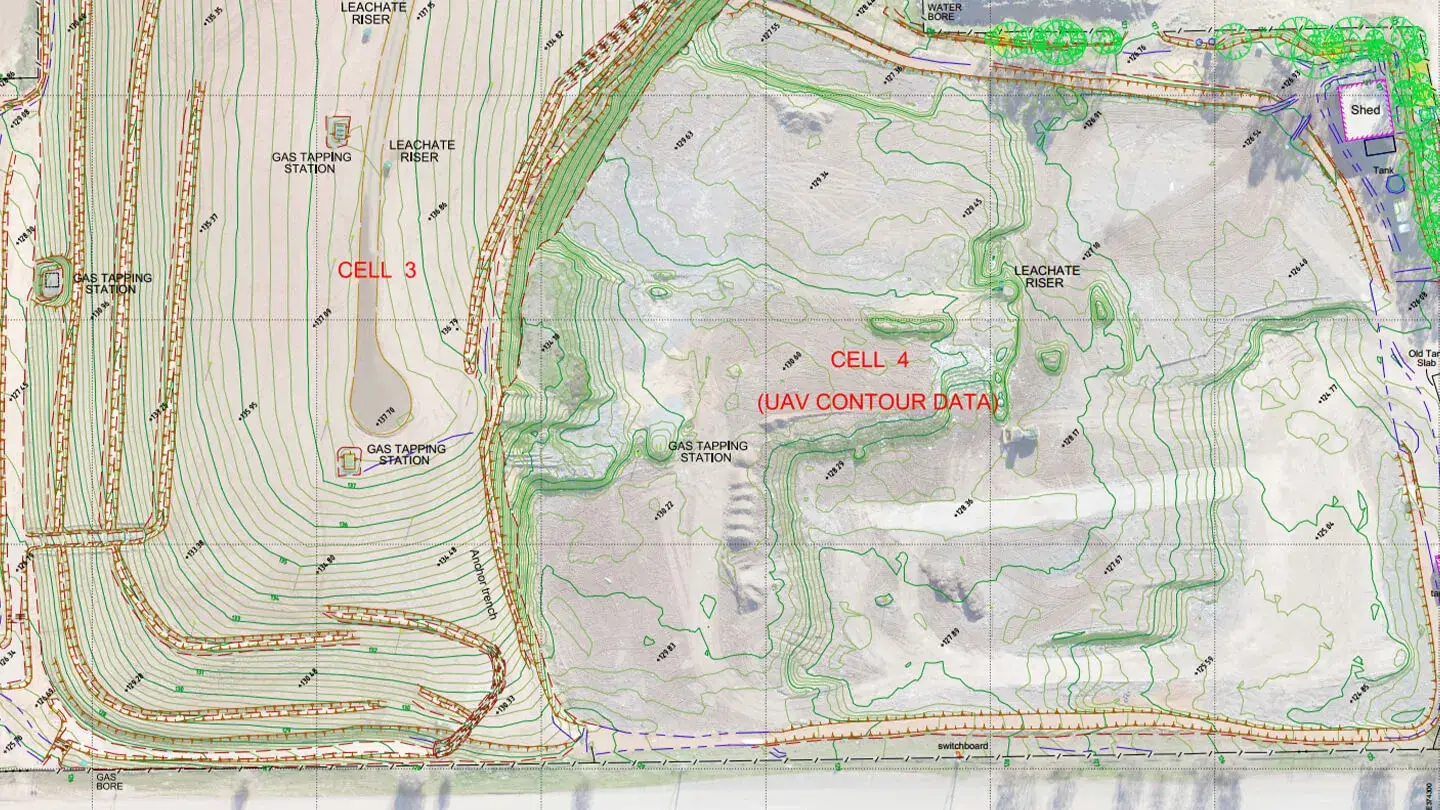
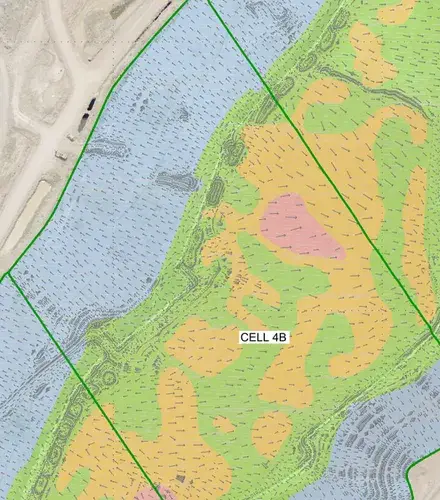
Capture existing site features and topography, while also monitoring surface temperature.
Cell construction surveys
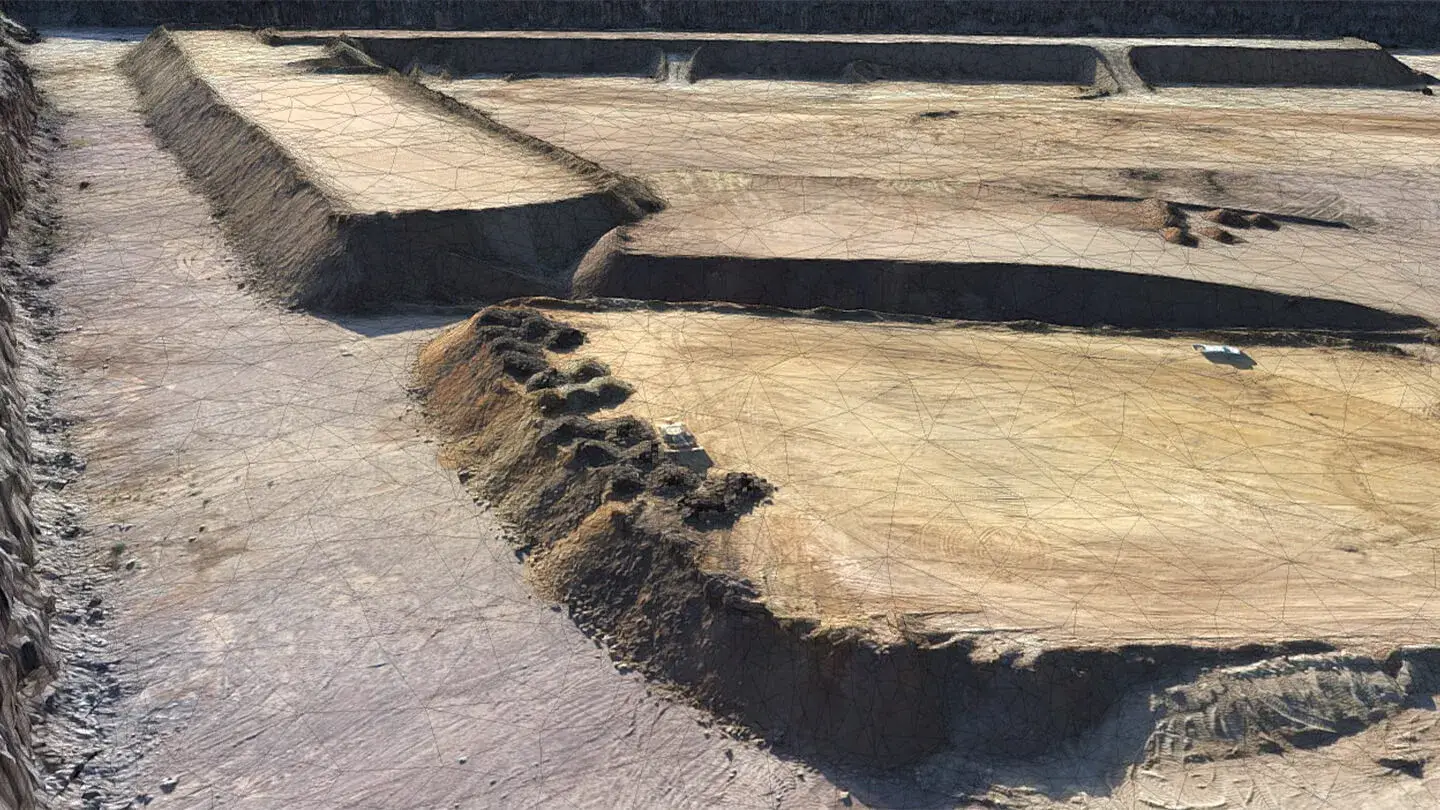
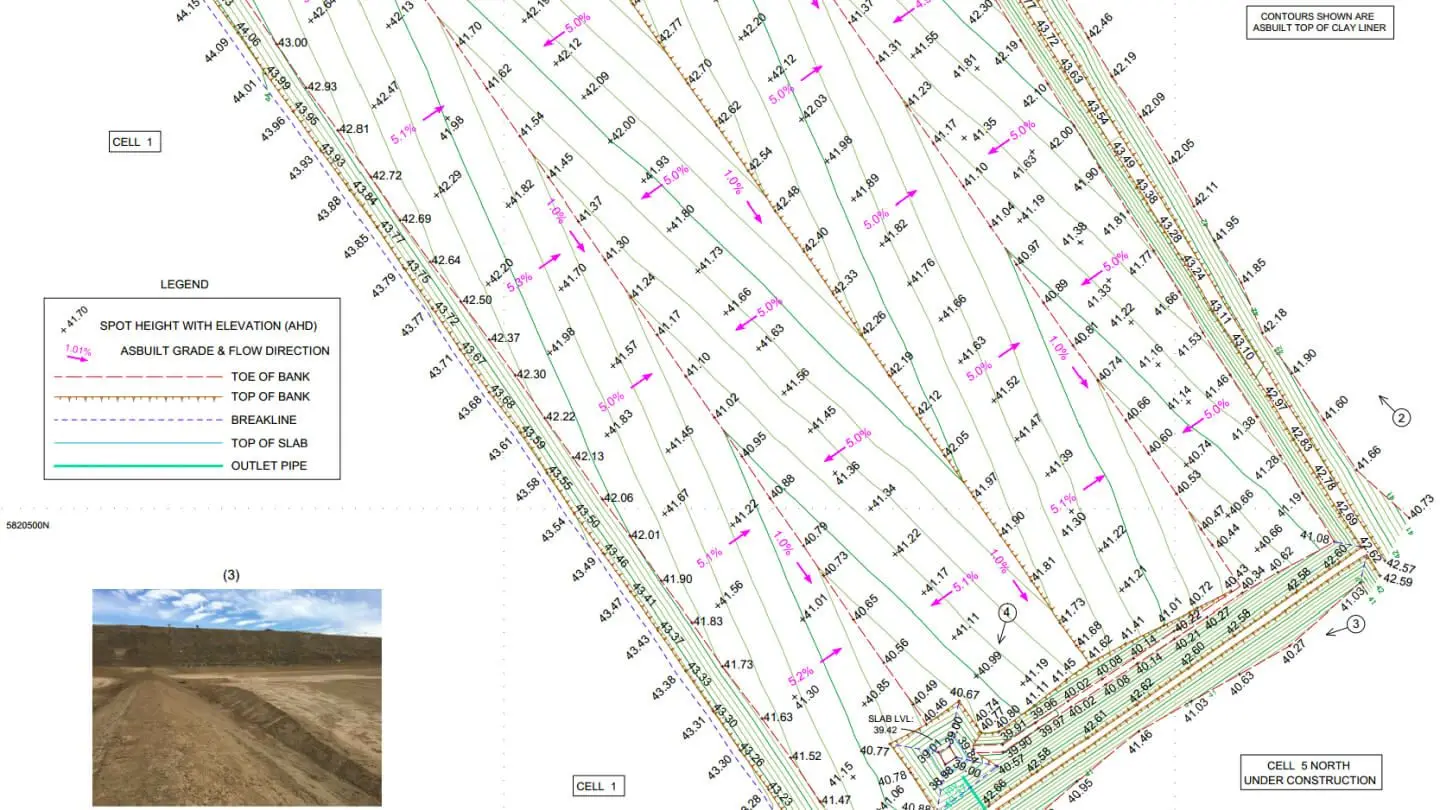
Perform setout and as-built surveys of cell floor and construction layers – plus periodic clay sideliner lift surveys.
Site infrastructure surveys
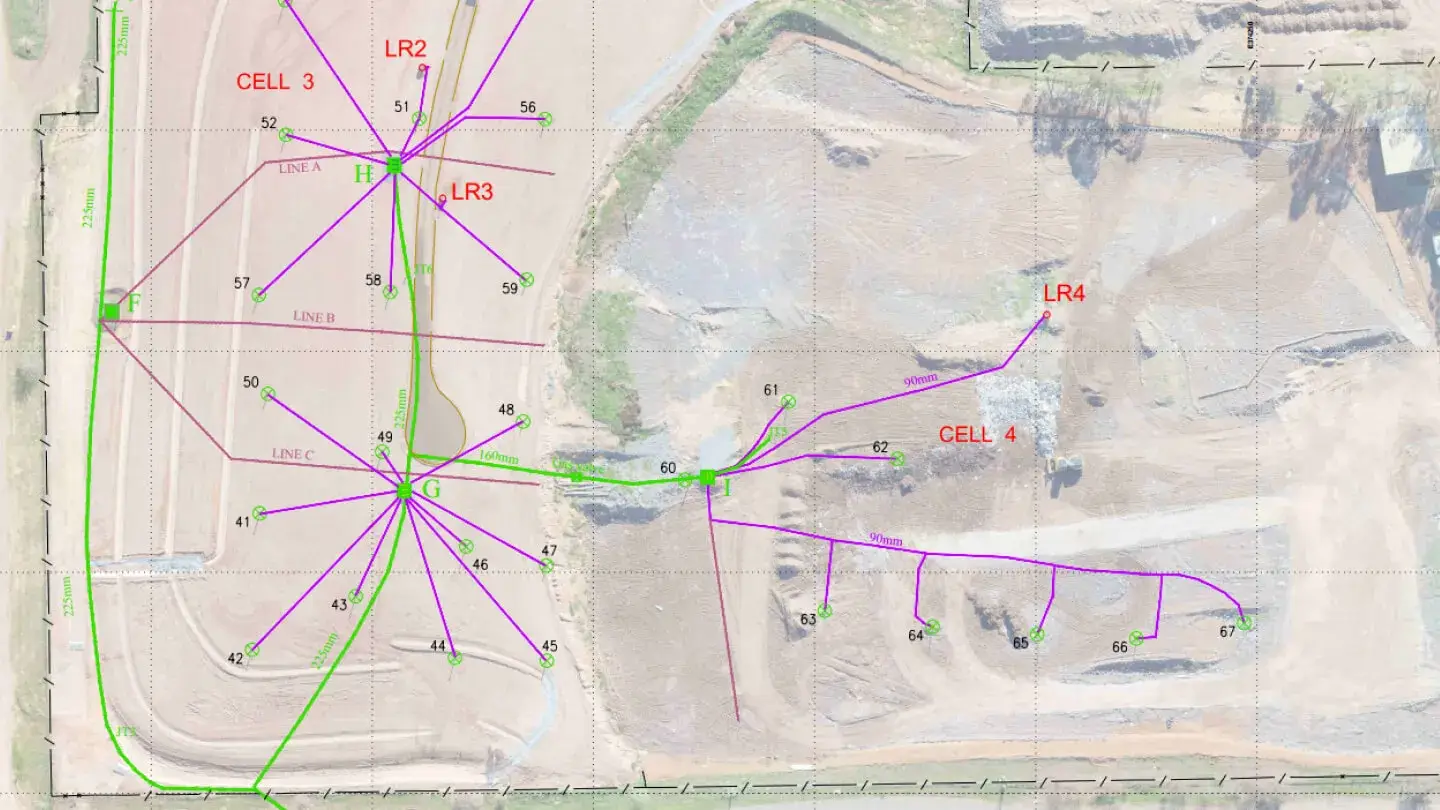
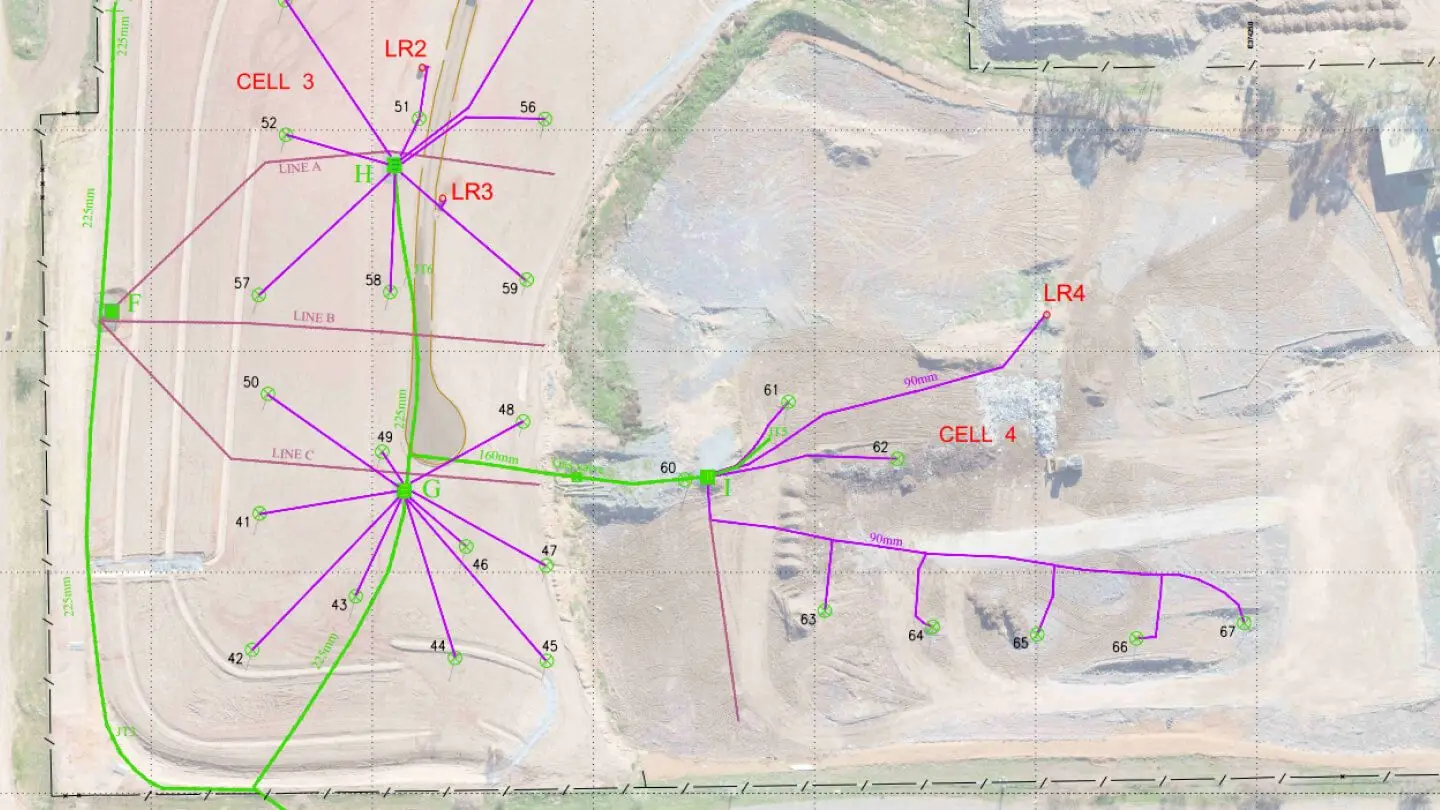
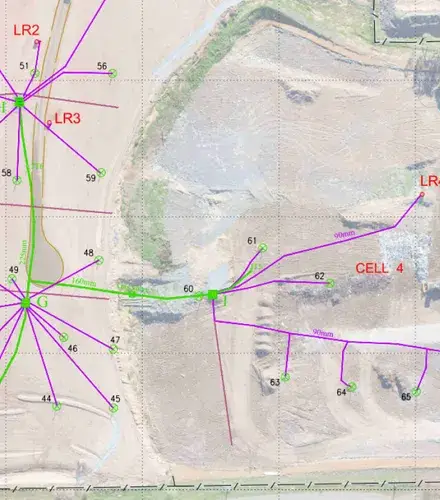
Map gas extraction infrastructure, boreholes and sump riser levels across the landfill site.
UAV surveys and thermal mapping
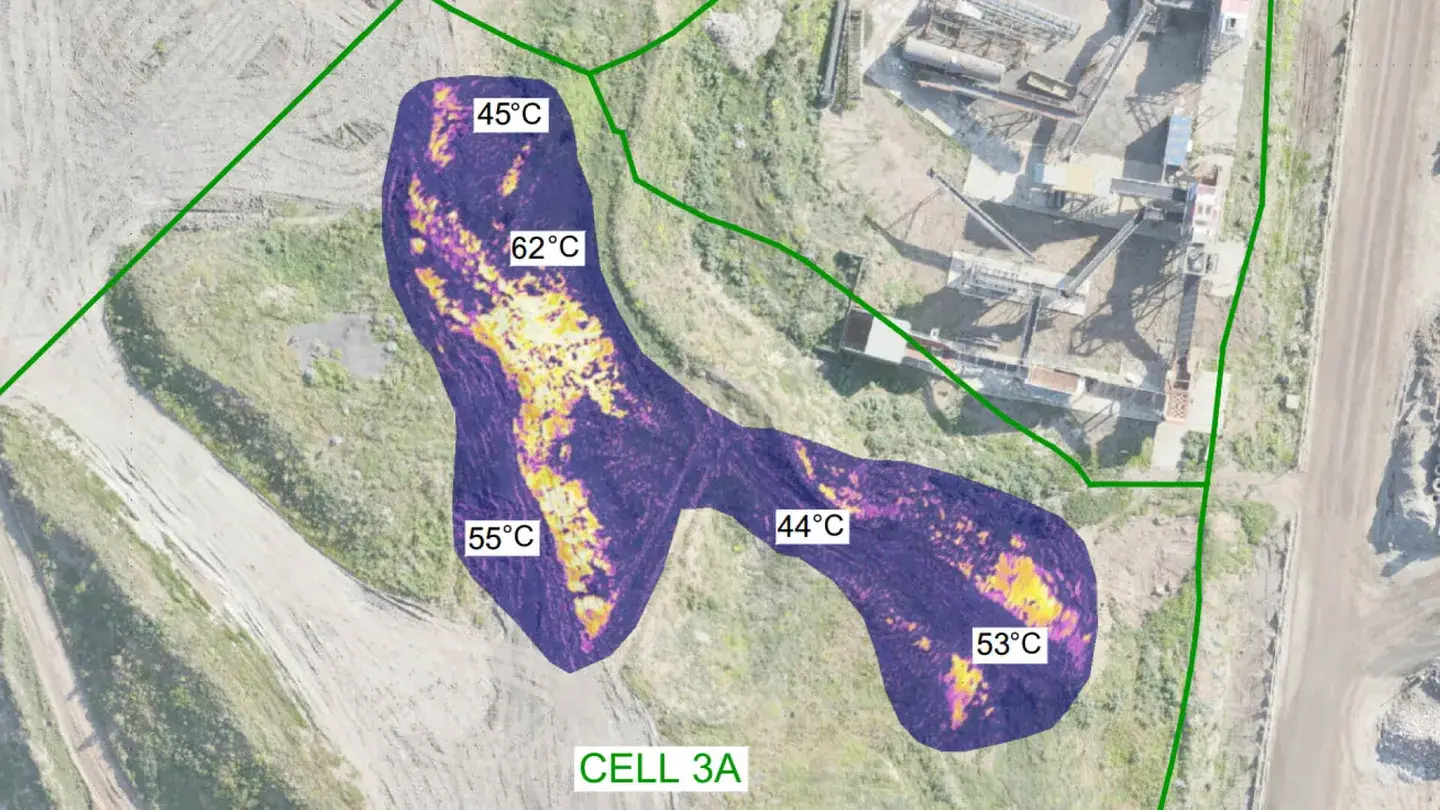
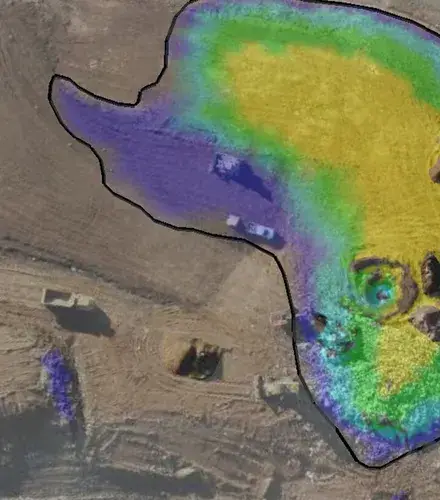
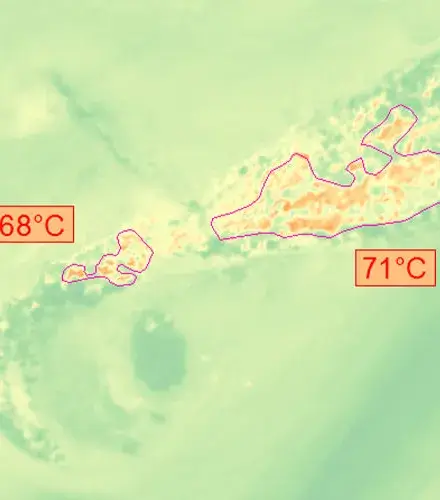
Hotspot detection is a major part of landfill operations. Regular thermal flyovers of active and capped landfill cells can be important to fulfil EPA licence conditions.
Proactively identifying hotspots, before they turn into significant waste fires, also reduces the potential for large-scale remediation costs. At Landair Surveys, we:
- Use thermal cameras attached to drones to create a whole-of-site thermal map that quickly identifies hotspot locations.
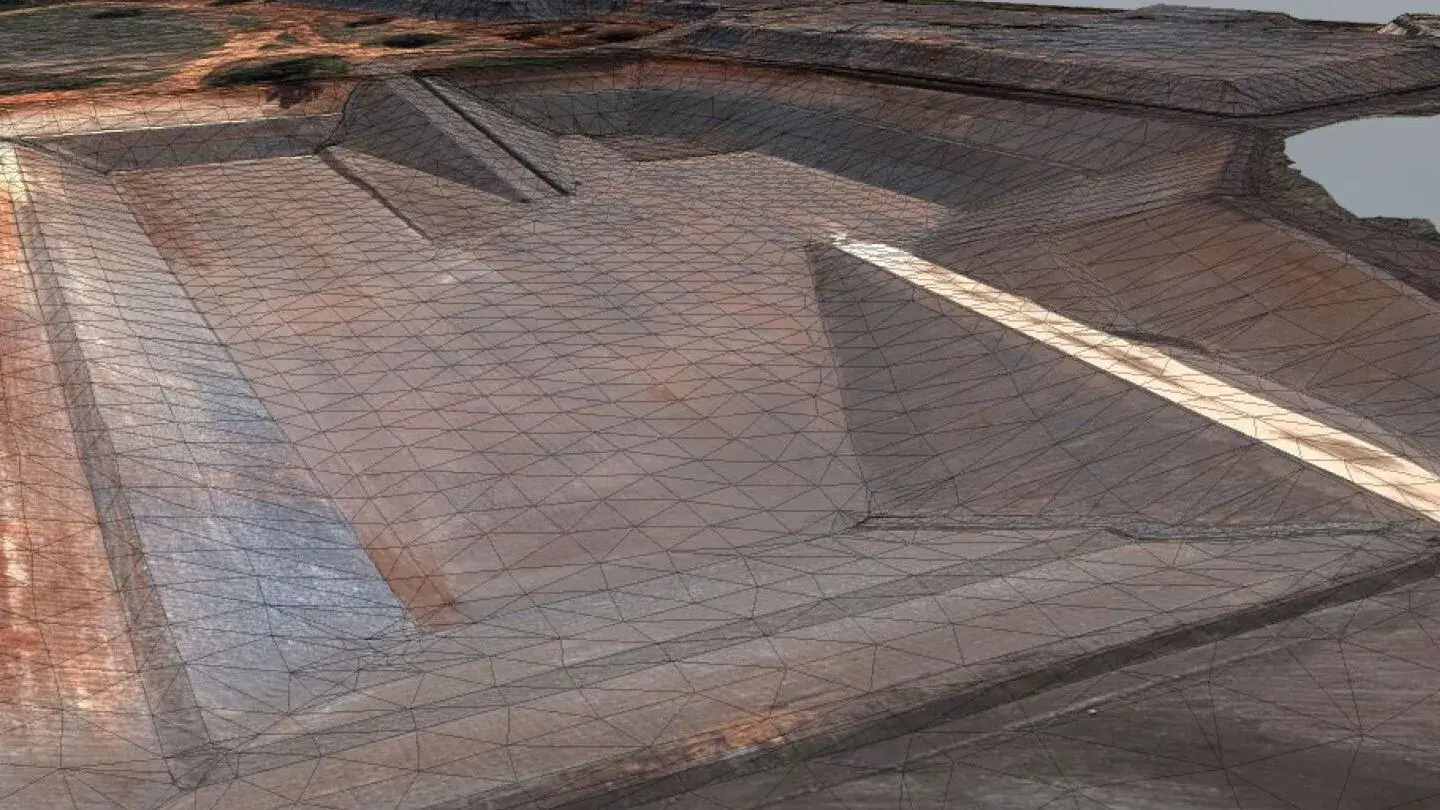
- Drape that thermal map across a 3D surface to give a virtual, interactive view of the increased temperature locations.
Why landfill managers choose Landair for surveying.
Managing a landfill site has specific challenges, from integrating historical data to monitoring for safety compliance.
Landair goes beyond data collection for landfill surveying. We prioritise clear, accessible presentation and practical insights to improve day-to-day site operations.
Your challenges
- Struggling to visualise survey data for practical decision-making?
- Dealing with alignment issues from multiple data sources?
- Need reliable hotspot monitoring for regulatory compliance?
- Monitoring consumed & available airspace
How we can help
- Our team shares data in formats that are easier to understand and use every day.
- We provide Google Earth overlays, online viewers and data exports compatible with popular platforms – like Propeller.
- We align historical survey data to a consistent map grid, creating a single reference file for real-world placement.
- This helps prevent errors and seamlessly integrates past and current data.
- We work with landfill operators to help meet their license requirements for hotspot monitoring.
- Our team captures thermal drone imagery, and creates 2D and 3D heat maps, to comply with safety standards.
- Our team complete flyover surveys for monitoring landfill airspace.
Hear from our landfill partners.
Meet our experts in landfill surveying.
The Landair team understands the unique challenges of waste management. They’ll work with you to not just meet your obligations, but also develop more sustainable operations.


FAQs
Drones are great tools and they can cover a site significantly quicker compared to traditional walk-over surveys. Drone imagery can look sharp and the big-picture data can be easily uploaded to online cloud hosting platforms like Propeller.
Where you wouldn’t want to use drone data, though, is for anything requiring higher accuracy levels. It’s easy to confuse image GSD with accuracy, but it’s far from the case. A drone image pixel size of 2cm doesn’t mean the data is accurate to 2cm. Even with a good spread of ground control points or relying on RTK image positions, the final processed 3D data set from a drone flyover is usually accurate to +/- 50mm horizontally and +/-150mm vertically.
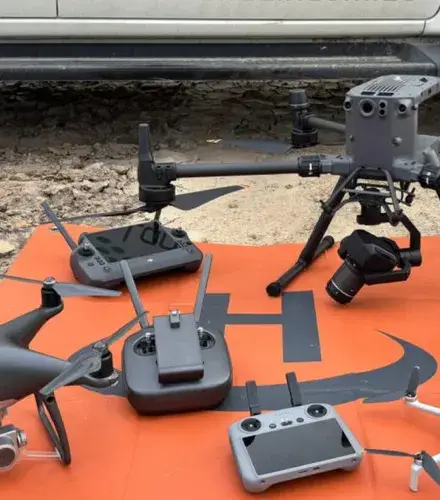
At Landair we work with our clients to offer the best survey tech for the task at hand. For a whole-site snapshot, cell airspace monitoring or stockpile volumes drones are great. Landair has seven CASA-qualified drone pilots and can advise on any CASA airspace constraints. For higher accuracy works though, like cell construction surveys, traditional ground-based surveys will be best.

As a general rule-of-thumb, the following accuracies can be expected from the technologies Landair utilises on landfill sites: -
- Survey total station: +/- 3mm
- Survey-grade GNSS (GPS): +/-20mm
- RPA (drone): Horizontal +/- 50mm; Vertical +/- 150mm (largely dependent on surface reflectiveness, object contrast and consistent topography)
- Crewed aircraft: Horizontal and Vertical +/- 250mm (largely dependent on surface reflectiveness, object contrast and consistent topography)
- Survey-grade dumpy level: Vertical +/- 1mm
It might be surprising, but coordinate systems change over time. A distinct location on site can have a different position depending on which coordinate system is used. It’s not unusual for long-standing landfill sites to have data aligned to up to three national coordinate systems and maybe a distinct local site datum not connected to the national grid.
Pre-1994 surveys were largely aligned to the Australian Map Grid (AMG66 or AMG84) which was referenced to the Australian tectonic plate. With the rise of GPS technology and its reference to the centre of the earth, a major coordinate shift was gazetted in 1994 known as Map Grid of Australia (MGA94). The Map Grid of Australia was further re-calibrated in 2020 (gazetted as MGA2020) to account for the 1.8m of continental drift between 1994 and 2020.
Landair has assisted many of their landfill clients in migrating important historical site data over to the latest reference framework.
Most often, the reason why levels can differ between machine control and a surveyor’s instrument are because the mobile plant’s GPS system hasn’t been calibrated to the site’s historical datum point. Almost all landfill sites have a local long-standing primary benchmark (PM or SSM) to which all surveyor measurements are calibrated to. It’s common for operators to think they are positioned correctly based on mobile phone connection to a nation-wide base station grid yet haven’t confirmed their position based on the sites long-standing control network. It’s not unusual for machine control height values to differ up to 150mm when not calibrating locally.
Independence and auditing. Most critical construction and volume reporting milestones set by government for a landfill require measurement and data presentation by contractors independent of the landfill. Most landfill licenses specify these works are to be carried out by qualified surveyors.
Optimise your landfill operations
Explore how Landair Surveys can enhance your site's management and compliance.